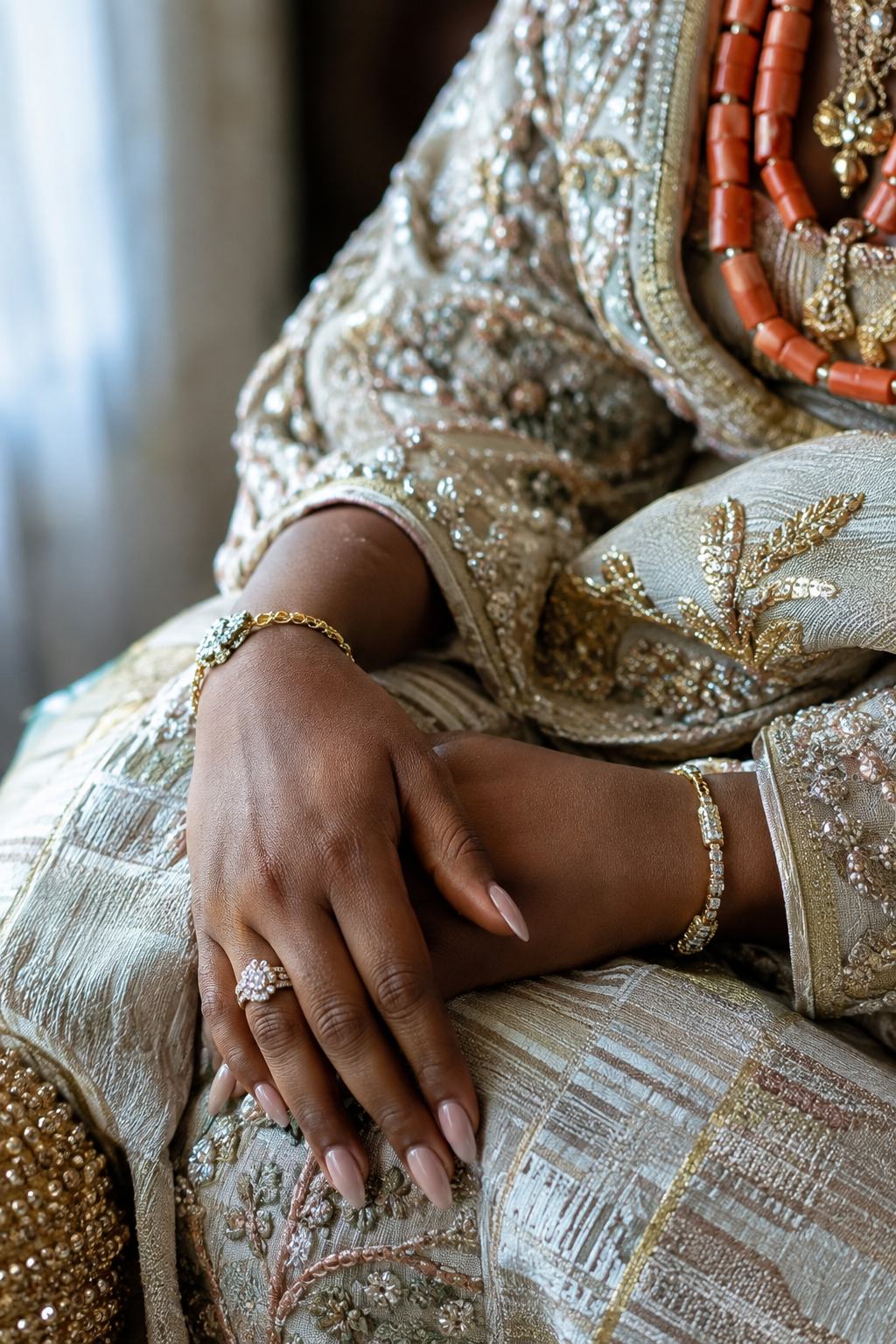
JOURNAL — 17 APRIL 2026
HOW I EDIT A WEDDING STORY
A wedding produces thousands of frames. The edit is where the actual story gets written.
A single wedding day, shot properly, produces somewhere between two and four thousand frames. Almost none of that number makes it into the final story — which means editing isn't a technical afterthought, it's where most of the real authorship happens.
The first pass is brutal and fast: I go through everything once, quickly, marking only the frames that stop me. No second-guessing, no comparing near-duplicates yet — just instinct. That first pass usually cuts the numbers down by roughly ninety percent.
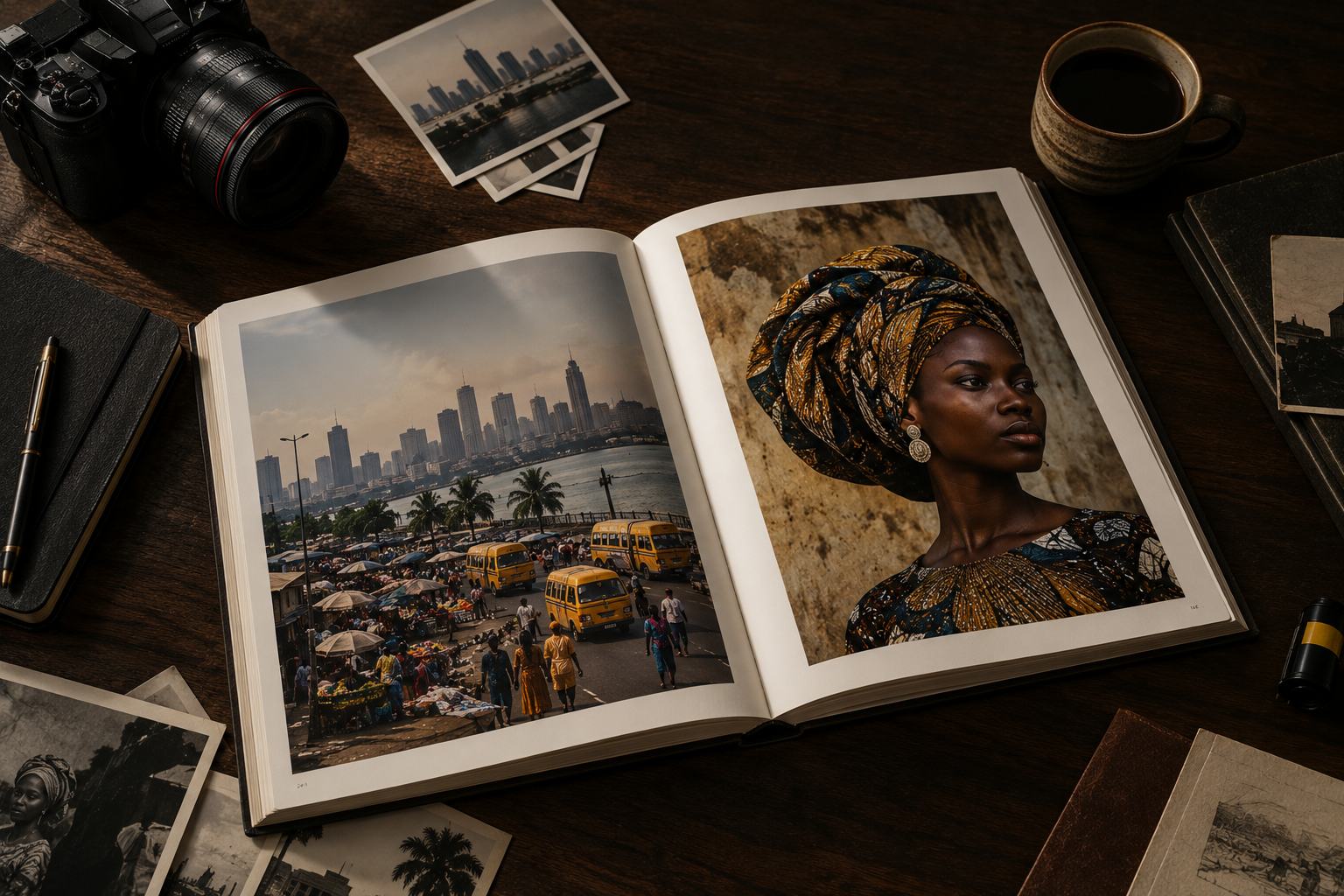
The second pass is where sequencing starts. A wedding story isn't chronological for its own sake — it's chronological because the emotional arc of a wedding day happens to be chronological too: quiet, then tension, then release, then celebration, then quiet again. I build the edit around that arc, not around what technically happened at what time.
The hardest cuts are always the technically perfect frames that don't earn their place in the story. A beautifully lit photograph of an empty hallway doesn't survive the edit just because it's well lit. It survives if it does something the story needs.
My rule of thumb: if I can't say what a photograph is doing in the sequence, it doesn't belong in the sequence.